
The Comprehensive Guide to International Casino Licensing
In the rapidly expanding world of online gaming, understanding the intricacies of international casino licensing guide is vital for aspiring operators. This guide aims to shed light on the importance of licensing, the various jurisdictions available, and the steps required to obtain a casino license. As the online gambling industry continues to grow, players and operators alike must navigate the complexities of legal compliance to establish and maintain a successful gaming operation.
Why Casino Licensing Matters
Casino licensing serves as the legal backbone of the online gambling industry. A valid license ensures that a casino operates within the legal framework of its jurisdiction, providing a layer of security for both the operators and the players. Here are a few key reasons why obtaining a proper license is essential:
- Legal Compliance: Licensing ensures that casinos adhere to the laws and regulations of the jurisdiction in which they operate.
- Player Protection: Licenses typically mandate practices that safeguard players, including fair play and responsible gaming measures.
- Trust and Credibility: A licensed casino is seen as a reputable and trustworthy establishment, which can attract more players and help in building a positive brand image.
- Access to Global Markets: Holding a license can facilitate entry into various markets, allowing operators to reach a wider audience.
Types of Casino Licenses
Several jurisdictions around the world provide casino licenses, each with its own set of regulations, fees, and requirements. Here are some of the most popular ones:
1. Malta Gaming Authority (MGA)
The MGA is one of the most respected gaming authorities in the industry. Its licensing process is thorough, and it offers various types of licenses for different gaming sectors, including online casinos, sports betting, and lotteries. The Maltese license is prized for its robust regulatory framework and international recognition.
2. United Kingdom Gambling Commission (UKGC)
The UKGC is known for its stringent regulations and emphasis on player protection. Obtaining a UK license is considered a considerable achievement, as it signifies a high standard of operation. However, the process can be lengthy and requires strict adherence to numerous guidelines.
3. Curacao eGaming
Curacao offers one of the quickest and least expensive licensing options for new operators. Although the regulatory framework is less comprehensive compared to other jurisdictions, it attracts many startups seeking to enter the market without significant upfront investment.
4. Gibraltar Regulatory Authority (GRA)
Gibraltar is renowned for its favorable tax policies and robust regulatory environment. Its licensing process can be rigorous; however, it positions operators as credible entities in a competitive market.
5. Isle of Man Gambling Supervision Commission (GSC)
The Isle of Man offers a stable regulatory environment with tax incentives for operators. Its licensing process is known for its thoroughness, ensuring that only serious operators are granted licenses.
The Licensing Process
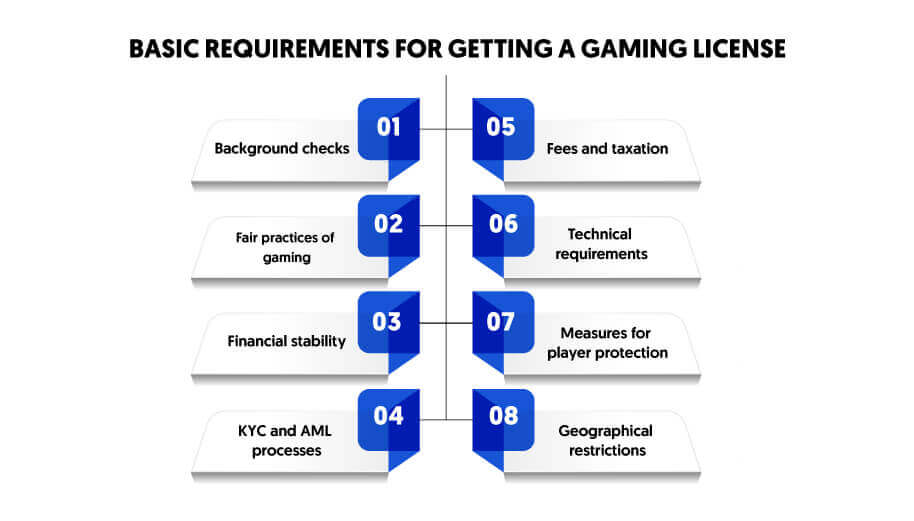
While the specifics can vary significantly between jurisdictions, the general steps to obtaining a casino license typically include:
- Pre-application Preparation: Conduct thorough research on the requirements of the chosen jurisdiction and prepare all necessary documentation, including business plans, financial projections, and details of software suppliers.
- Application Submission: Submit the application along with any required fees. Ensure that all documentation is complete and accurate to avoid delays.
- Background Checks: Expect thorough background checks on key personnel involved in the operation, including owners and management. This process can involve financial audits and assessments of personal history.
- Software and Game Testing: If applicable, submit games and software for testing by an approved testing laboratory to ensure compliance with fairness and security standards.
- License Approval: Depending on the jurisdiction, this process can take several weeks to months. If approved, comply with any additional stipulations before commencing operations.
Maintaining Compliance
Obtaining a casino license is only the beginning. Operators must maintain compliance with ongoing regulations to avoid penalties or loss of license. This includes:
- Regular reporting to the licensing authority
- Adhering to responsible gaming practices
- Conducting regular audits and compliance checks
- Keeping up with changes in regulations and adapting business practices accordingly
Conclusion
Understanding international casino licensing is crucial for anyone looking to enter the online gambling industry. With the right knowledge and careful planning, operators can successfully navigate the licensing process and establish a reputable gaming business. The complexities of licensing should not deter potential operators; rather, they should see it as a necessary investmen
t in the future of their enterprise. By securing a valid casino license, operators not only comply with legal requirements but also build trust with their players, ultimately setting the stage for long-term success.
 No hay productos en la cesta.